
RM-3WE
The complete record of everything your shipment endured: in three axes, for up to 120 days. G-force sensing needs no power; a single C cell powers the chart-drive motor.
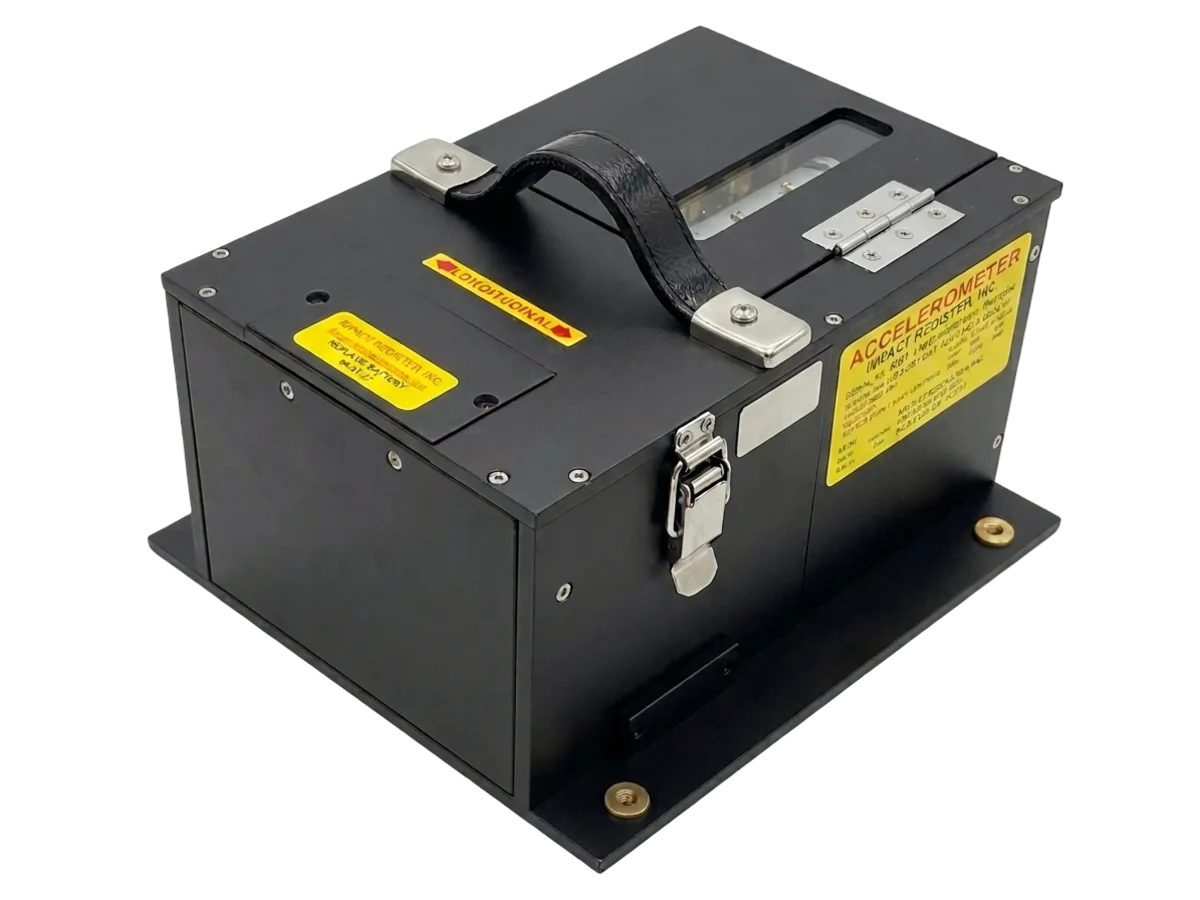
A closer look at the RM-3WE
Video description
RM-3WE: a 15-second film with music and no speech. White-background views show the recorder, a close-up of the chart and three sensing mechanisms, and the open recorder. The film closes with “Make the journey part of the record” and impactregister.com.
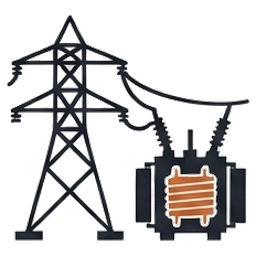
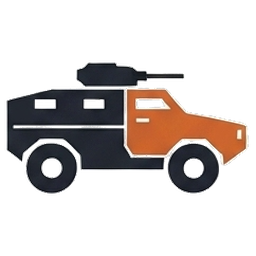
The RM-3WE is the recorder mounted on the freight where failure is not an option: large power transformers, satellite assemblies, semiconductor tools, defense articles. It writes a continuous, time-stamped record of acceleration in all three axes onto a chart that engineers can set tolerances against and attorneys can put in front of a judge. Pneumatic damping gives it a wide frequency and capacity range, and with chart speeds to 120 days (longer on request) it covers multi-modal, multi-month international moves end to end.
| Axes recorded | Three: longitudinal, lateral, and vertical acceleration, recorded simultaneously and continuously |
|---|---|
| Damping | Pneumatic damping for a wide frequency and capacity range |
| Chart speeds | 7, 15, 30, 60, 90, and 120 days; custom chart speeds available |
| Record type | Continuous, time-stamped mechanical chart: a physical record of transit conditions |
| Accuracy | Within 4% of full scale; calibrated statically and dynamically |
| Power | The G-sensing mechanism needs no power. The chart drive is a quartz DC stepping motor powered by a single C cell. No signal required. |
Custom configurations: ask an engineer.
Manuals and guides for the RM-3WE
Select the document you need to request the current version from our team.
RM-3WE operating manual
Installation, chart replacement, mounting orientations, and receiving procedures for the three-axis recorder.
Request this document →DocumentationRM-3WE chart interpretation guide
Reading magnitude, axis, and timestamp off an RM-3WE trace: coupling shocks, drops, forklift strikes, and ocean-swell signatures, annotated.
Request this document →DocumentationG-range selection guide
Choosing thresholds by cargo type, weight, and packaging: why a 10G indicator on a 40-ton transformer is wrong twice.
Request this document →DocumentationCalibration & accuracy documentation
Static and dynamic calibration records: the paperwork your quality team will want on file.
Request this document →Compare with related products
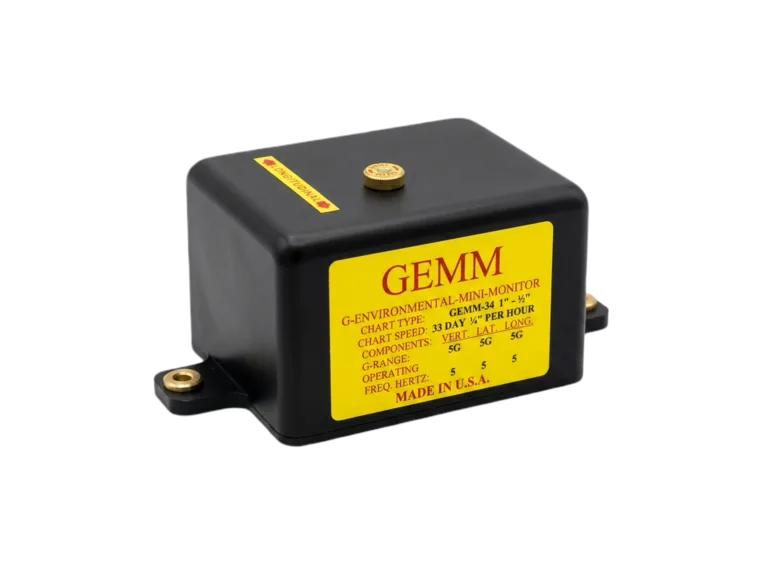
Common applications


Get started with the RM-3WE.
Request a quote, or contact our engineering team with configuration questions.
We supply direct, through packaging integrators who specify our instruments inside their crating, and through distributors in importing markets.